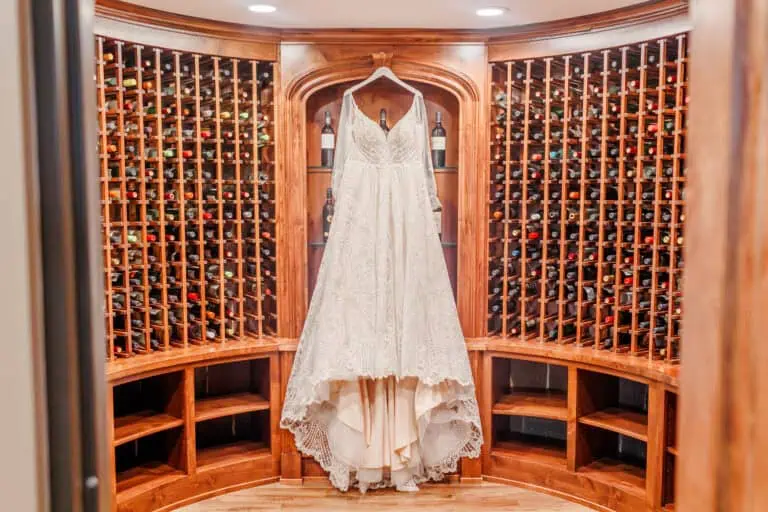

Wedding Gowns Across Cultures: A Filipino Bride’s Guide to Finding The One
There is something incredibly emotional about slipping into your wedding gown for the very first time. It is not simply a dress — it is a mirror of your story, your family, your heritage, and the generations who came before you. For many Filipino and Asian brides, this moment is especially powerful because wedding gowns across cultures are layered with symbolism, tradition, and identity.
Growing up Filipino, many brides remember watching their titas cry during pamamanhikan, hearing stories of grandparents who married in baro’t saya, and seeing black-and-white wedding portraits framed in family homes. These gowns were not about trends. They were about dignity, family pride, and cultural legacy.
Today, Filipino and Asian brides are reclaiming these traditions — not by repeating them exactly, but by reimagining them in ways that honor both heritage and individuality.
The History of the Filipino Wedding Gown
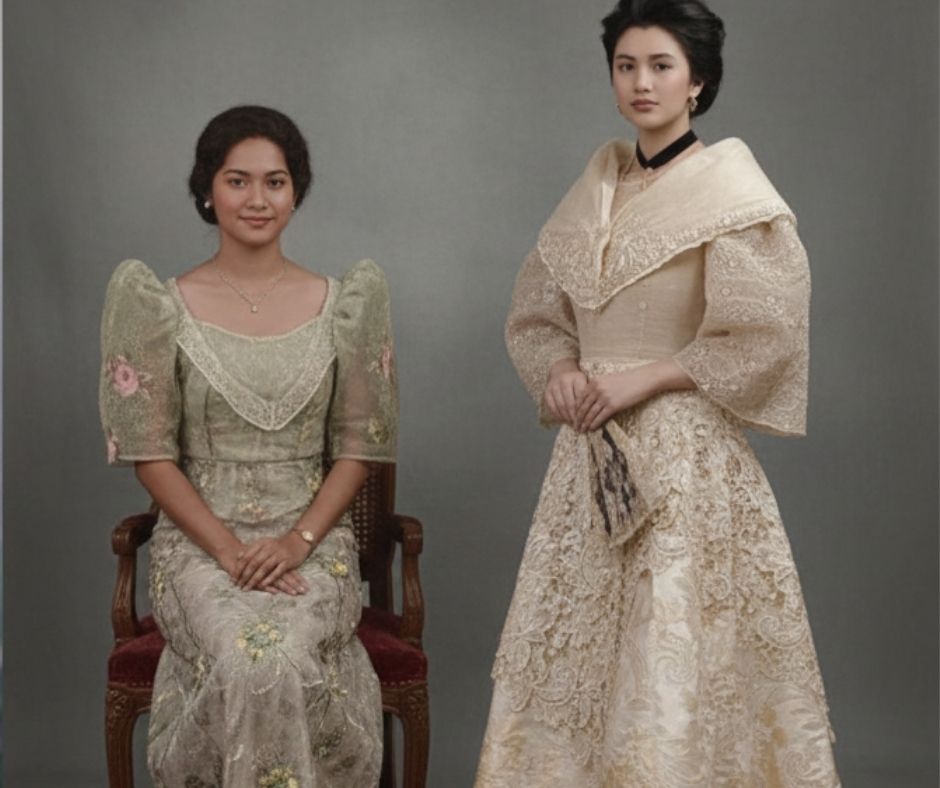
Before white gowns became mainstream, Filipino brides wore the baro’t saya and the Maria Clara gown — ensembles rooted in Spanish colonial history but transformed by Filipino craftsmanship.
The terno, with its iconic butterfly sleeves, eventually became the national dress of the Philippines. These sleeves symbolized elegance, modesty, and quiet strength — a reflection of the Filipina spirit.
What makes these gowns even more extraordinary is the fabric behind them.
Piña, Pineapple, and the Soul of Filipino Craftsmanship
One of the most treasured materials in Filipino bridal history is piña fabric, woven from pineapple leaf fibers. This textile is light, translucent, strong, and painstakingly handmade — a true labor of love.
Today, Pineapple Industries continues this legacy by reintroducing piña and Filipino tailoring to a new generation through made-to-measure, gender-inclusive Barong Tagalog and Filipiniana designs. Their work celebrates a revolutionary idea:
Filipino heritage is not confined by gender.
Pineapple Industries creates garments that can be worn by brides, grooms, and anyone in between — redefining wedding gowns across cultures through identity, craftsmanship, and pride. All pieces are handmade in the Philippines and are now accessible in the U.S. and Canada, allowing Filipino couples across the diaspora to wear their culture boldly on their wedding day.

Filipino Identity, Family, and the Wedding Gown
For Filipino families, weddings are not individual milestones — they are communal events. Your gown is seen not just by your partner, but by parents, grandparents, titas, ninangs, and childhood friends. It becomes part of your family’s history.
This is why wedding gowns across cultures carry such emotional weight. A bride may plan a modern minimalist wedding, but the chance to wear her heritage — even for just one day — is irreplaceable.
Many brides say:
“I never thought I’d wear a Filipiñana gown — but seeing my parents’ reaction changed everything.”

Blending East and West: The Modern Filipino Bride
Today’s brides are no longer choosing between tradition and modernity — they are blending both.
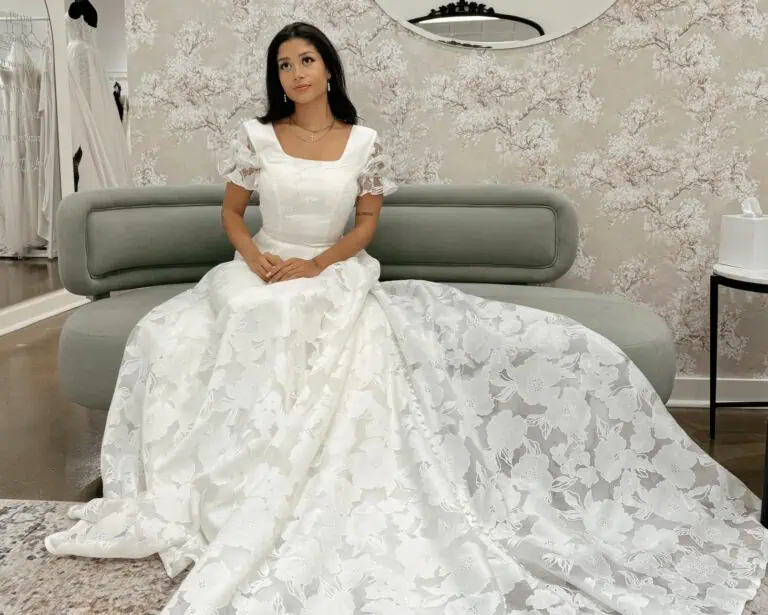
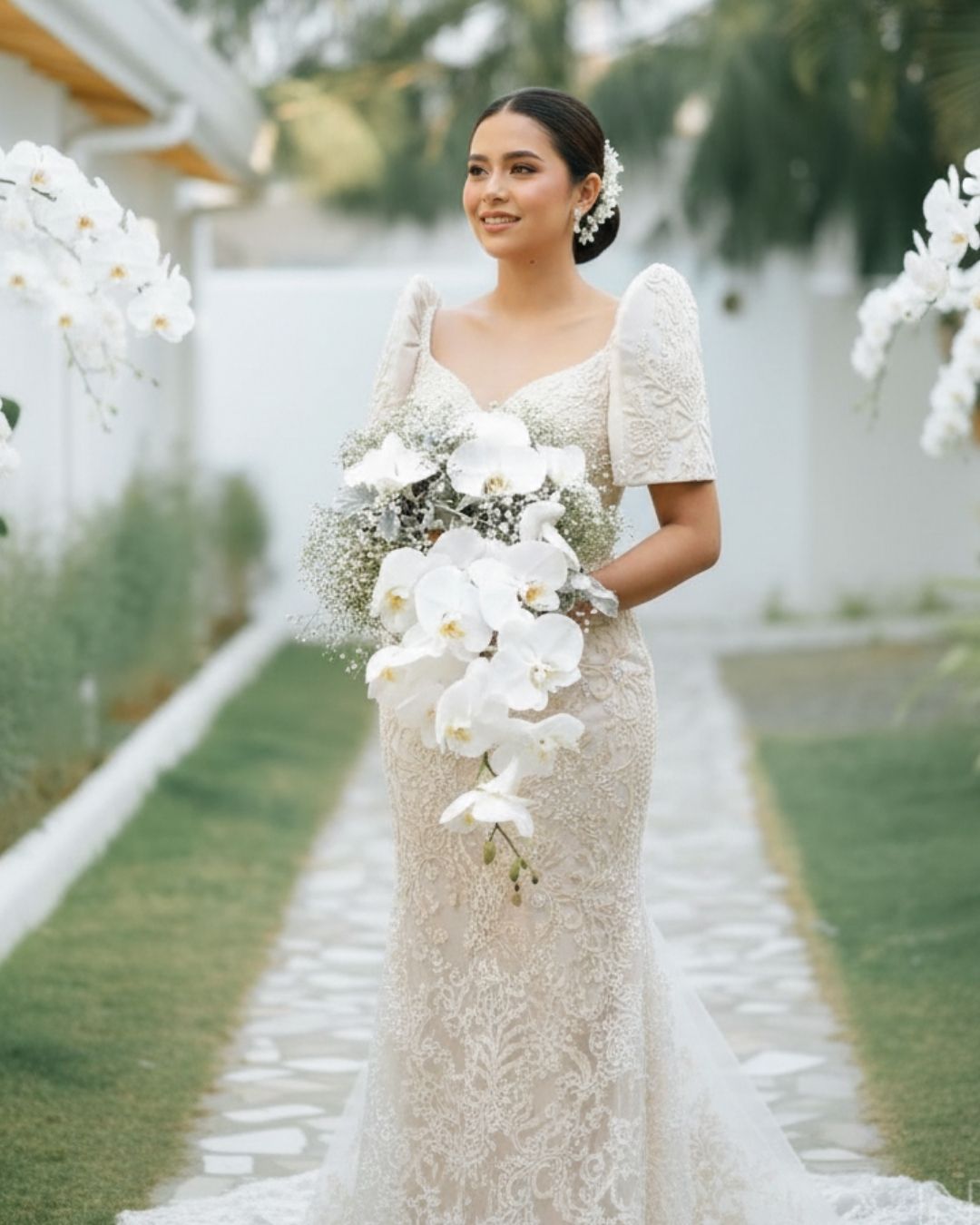
- Butterfly sleeves on a lace ball gown
- Piña fabric paired with a cathedral train
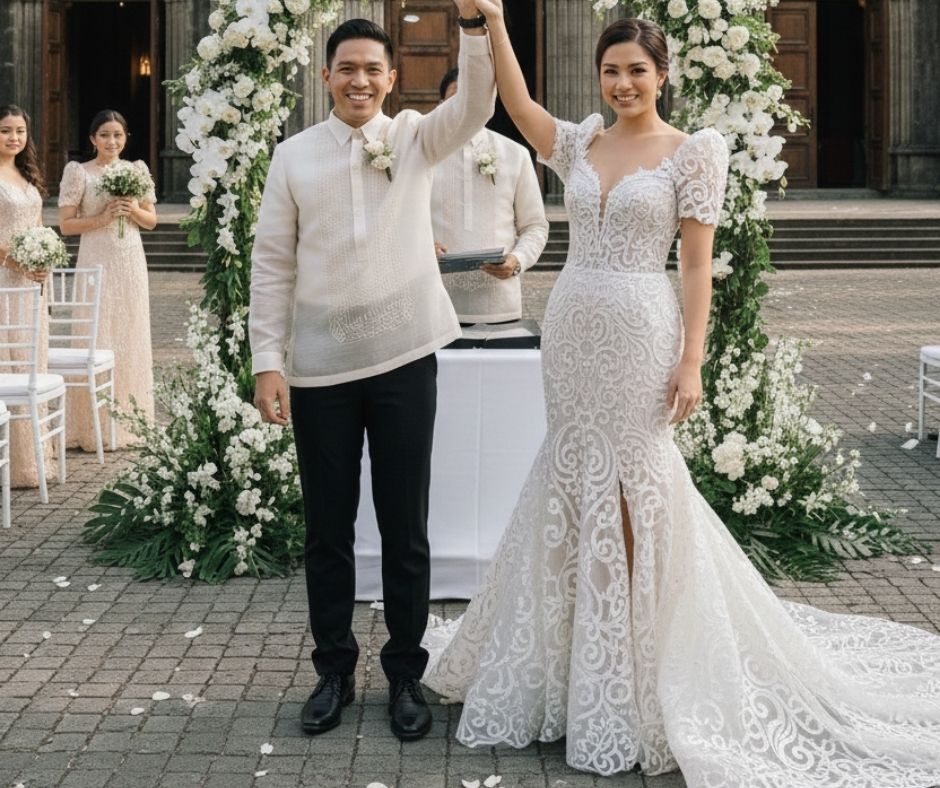
- Barong Tagalog for the groom and Filipiniana gown for the bride
- Cultural embroidery hidden inside a Western silhouette
This evolution is the heart of wedding gowns across cultures.
Where Savvy Bridal Enters the Story
At Savvy Bridal, culture is not an afterthought — it is part of the experience. Brides are encouraged to share their family stories, their cultural influences, and the traditions they hold dear.
From custom modest bodices to inclusive sizing up to size 34, Savvy Bridal ensures that every bride — regardless of background or body type — is celebrated.
Your Gown Is Your Legacy
Your wedding gown will live far beyond your wedding day. It will be remembered in photos, family stories, and someday — in your children’s hands.
That is the power of wedding gowns across cultures.
They are not trends.
They are love stories written in fabric.