
Wedding Dress Budget Breakdown: Where Your Money Really Goes
Shopping for your wedding dress is one of those moments brides dream about for years—until they start looking at price tags and suddenly realize they have a list of never-ending questions as to where their money is going.
Why does one dress cost significantly more than another? What’s actually included in bridal gown pricing? And how do you create a wedding dress budget that feels realistic without sacrificing everything on your wish list?
If you’ve found yourself wondering whether wedding dress costs are completely random, you’re not alone.
The truth is, there’s a lot more behind the price of a wedding dress than fabric and lace. Understanding where your money goes can make wedding dress budgeting feel less overwhelming and help you shop with confidence instead of sticker shock.
Here’s what to know before you say yes to the dress.
Understanding the Average Wedding Dress Cost
One of the first questions brides ask is: How much should I expect to spend?
The short answer: it depends—but understanding typical pricing can make setting a wedding dress budget feel a lot less overwhelming.
According to The Knot’s 2025 Real Weddings Study, which surveyed 10,474 U.S. couples married in 2025, the average wedding dress cost in the U.S. is approximately $2,100. That figure primarily reflects off-the-rack and made-to-order gowns rather than fully custom bridal attire.
To put that into perspective, most bridal gown pricing falls into ranges like these:
- Budget Range ($500–$1,500): Sample gowns, off-the-rack options, and more streamlined designs.
- Mid-Range ($1,500–$2,500): Where many brides shop, often offering more fabric, detail, and designer selection.
- Higher-End Range ($3,000–$10,000+): Premium materials, big-name designers, intricate embellishments, and higher levels of customization.
These ranges aren’t rules—and they’re definitely not a goal to hit.
Your final wedding dress cost can vary based on fabric, designer, construction, customization, and alterations. Instead of using averages to decide what you should spend, use them to build a wedding dress budget that feels right for you.
What’s Actually Included in Wedding Dress Pricing?
Once you understand that wedding dress pricing is layered, it becomes easier to see where the investment goes.
Design, Materials, and Construction
Fabric is one of the largest factors affecting wedding dress cost.
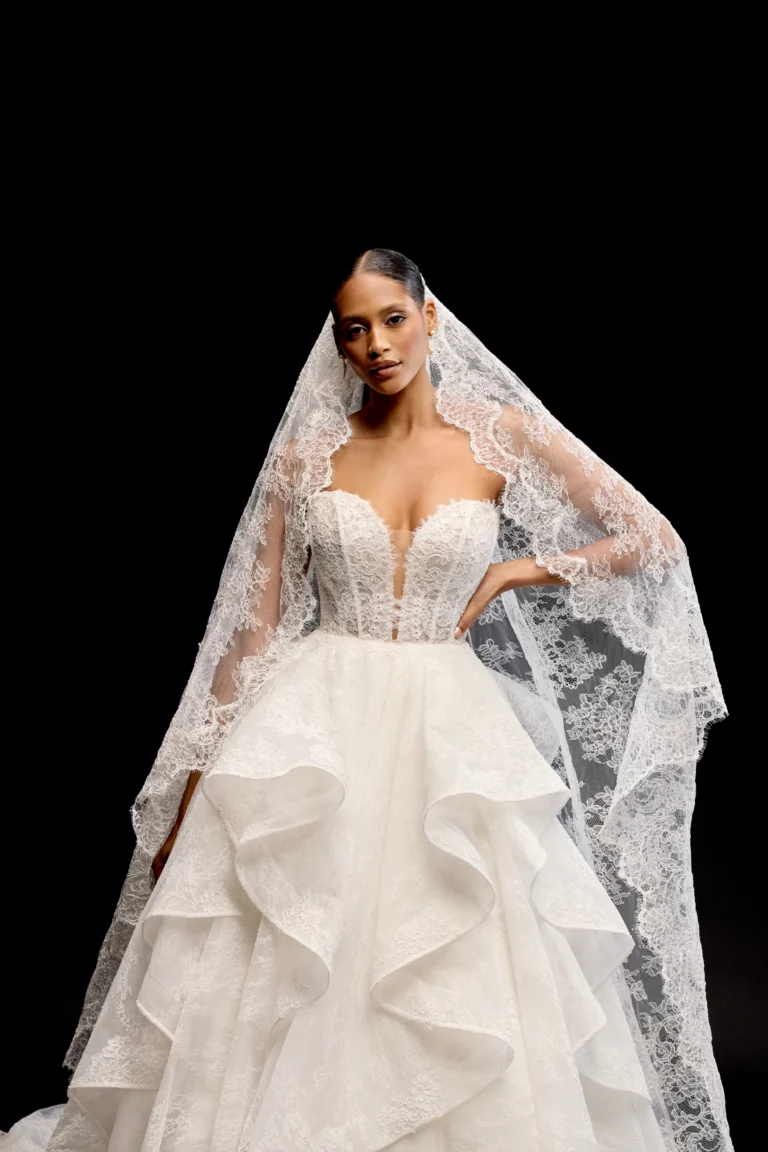
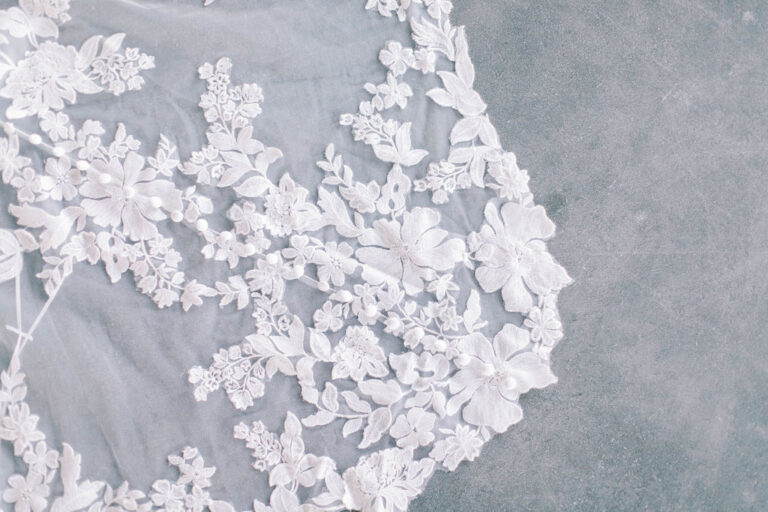
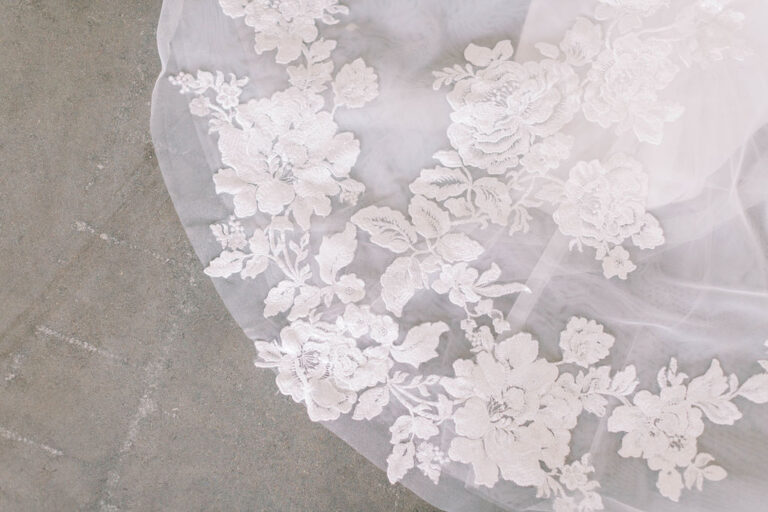
Luxury lace, intricate embroidery, beading, specialty appliqués, structured bodices, and layered skirts all impact pricing. Dresses with more detailed construction typically require additional time and craftsmanship.
Plus, the intricate bridal construction isn’t always visible at first glance.
Internal corsetry, supportive boning, carefully placed seams, and layered fabrics often create the structure that makes a gown fit beautifully.
Those hidden details matter just as much as the visible ones.
Custom Details and Craftsmanship
Many brides are surprised to learn how much handwork goes into a wedding gown.
Delicate embellishments are often applied individually. Pattern adjustments require precision. Structured silhouettes involve engineering that helps the dress maintain shape and comfort throughout the day.
Customizing your gown can also affect cost.
Adding sleeves, adjusting necklines, extending trains, changing details, or creating a more personalized look may increase the final investment depending on the complexity.
These details aren’t mandatory—but understanding them helps explain why bridal gown pricing varies so much from dress to dress.

The Bridal Shopping Experience
There’s another part of wedding dress budgeting brides sometimes overlook: the experience itself.
Wedding dress shopping is usually more personalized than traditional retail.
Appointments often include dedicated styling support, guidance on silhouettes and fit, help narrowing choices, and expertise in understanding how dresses can be altered and customized.
That expert guidance can make a huge difference when you’re making such an important decision.
4 Wedding Dress Costs Brides Often Forget to Budget For
Once you find your dress, there are usually a few additional costs that come afterward.
Planning for them upfront can help your wedding dress budget stay realistic.
1. Alterations
Here’s something brides should know early: alterations are normal. In fact, they’re practically expected; Wedding dresses are rarely designed to fit perfectly right off the rack.
Typical gown alterations include:
- Hem adjustments
- Bust support
- Strap or neckline changes
- Waist shaping
- Bustles
- Minor fit refinements
The goal isn’t to “fix” your dress—it’s to make it feel like it was made specifically for you.
When creating your wedding dress budget, leave room for alterations from the beginning rather than treating them as a surprise expense.
2. Accessories and Finishing Touches
The complete bridal look usually extends beyond the gown itself. For many brides, wedding dress accessories really help to pull the complete look together.
Depending on your style, additional costs may include:
- Veils
- Jewelry
- Shoes
- Hair accessories
- Undergarments and shapewear
- Bridal toppers and overskirts
You don’t need every accessory under the sun, but it helps to decide early whether you want a minimalist look or a more styled bridal moment so you can plan your budget accordingly.
3. Cleaning and Preservation
Once the wedding is over, many brides choose professional cleaning and preservation services.
This step can help protect delicate fabrics and keep your gown in great condition for years to come.
Even if preservation isn’t a priority for you, it’s helpful to think ahead rather than making last-minute decisions after the wedding.
4. Shipping or Timeline Considerations
One of the most overlooked wedding dress costs are those associated with your shopping timeline.
Rush orders, shipping fees, expedited alterations, and tighter turnaround windows can quickly drive up the price tag and drain your total budget.
Shopping early gives you more flexibility and often fewer surprise expenses.
How to Build a Realistic Wedding Dress Budget
Now for the part every bride wants to know: how do you actually set a budget?
Start With Your Total Bridal Fashion Budget
Instead of thinking only about your dress price, think about your full bridal look.
Include:
- Wedding dress
- Alterations
- Accessories
- Wedding shoes
- Professional cleaning or preservation
Looking at the full picture outside the dress itself helps create a more realistic number.
Decide What Matters Most to You
Not every bride values the same things.
For some, fabric quality is the priority. For others, it’s designer details, customization, dramatic styling, or staying within a very specific budget.
There’s no wrong answer, but knowing your priorities makes budget decisions easier.
Leave Room for Flexibility
A little breathing room can reduce stress.
If your ideal dress ends up slightly above your original number—or your alterations require more adjustments than expected—you’ll feel much more comfortable if you planned for some flexibility.
A flexible budget upfront will help guide your decisions and come out ahead, not create extra panic.
The Best Wedding Dress Is One That Feels Worth It
Wedding dress budgeting isn’t about finding the cheapest option or spending the most. It’s about understanding where your money goes so you can make decisions that feel good for you.
The truth is, the average wedding dress cost doesn’t determine how beautiful you’ll feel on your wedding day. A higher price tag doesn’t automatically mean a better experience—and a carefully chosen budget doesn’t mean sacrificing style.
The right dress is the one that fits your vision, your priorities, and your celebration.
If you’re ready to find a gown that feels just as good financially as it does emotionally, the team at Savvy Bridal is here to help.
Book your appointment and explore wedding dresses with expert guidance, personalized support, and styles designed to help you find your perfect match.