
Who Pays for the Wedding? A Modern & Traditional Guide
When you’re planning a wedding, there are two big questions on every couple’s mind:
- Who should I invite?
- Who’s paying?
The first can cause a little drama sometimes, but the second? That’s where things can get… complicated. Traditions have changed for some, and finances look different for every family, so sometimes the “rules” go right out the window.
Whether you’re wondering who buys the bride’s dress, who pays for the wedding reception, or how to split wedding expenses without anyone feeling awkward—Savvy Bridal is here to help you sort it all out.
We’ll break down the traditional approach, explore modern ways couples divvy up costs, and give you a category-by-category guide so you can plan your dream wedding without financial confusion. Trust us—you have enough on your plate.
Who Traditionally Pays for the Wedding?
Let’s start with the classic etiquette rules. Back in the day (and we mean way back in the day), the bride’s family was expected to foot the bill for practically the entire wedding. The tradition came from a time when weddings were viewed as the bride’s family “handing over” their daughter to another family, and paying for the celebration was part of the deal.
On the other side of the aisle, the groom’s family traditionally paid for the pre- and post-wedding fun, like the rehearsal dinner and the honeymoon, while also handling all the legal formalities like the marriage license and the officiant.
Fast-forward to today, and this setup has shifted dramatically. Most couples now prefer to share costs with both sets of families, or even pay for the wedding themselves, to keep things balanced and avoid putting too much financial pressure on any one party.

How to Divvy Up the Cost of a Wedding
Every couple’s situation is unique. Maybe one set of parents is covering most of the expenses, maybe you’re paying 100% by yourselves, or maybe you’re combining resources from everyone involved.
The important thing? Have an open conversation early on in the planning process. That way, you can decide what’s realistic for your budget and split things up in a way that works for everyone.
Let’s go category by category so you know exactly what expenses to discuss.
Ceremony and Reception
This is typically the largest portion of your wedding budget. It includes:
- Venue rental and fees
- Catering and bar service
- Rentals (think tables, chairs, linens, dinnerware)
- Lighting and sounds
Traditionally:
The bride’s family covered 99% of these costs, with the groom’s family being expected to pay for any alcohol offered.
Today:
Because this is the biggest category with the highest costs, it’s common for these costs to be shared between both families and/or the couple, depending on who has the resources and desire to contribute.
For example, if one family is handling your unique venue, perhaps another could pay for the catering. In many cases, the family will pay for a base model, and if the bride and groom decide they’d like an upgrade (like an open bar or specialty desserts), then that portion of the bill is on them.
Wedding Attire and Rings
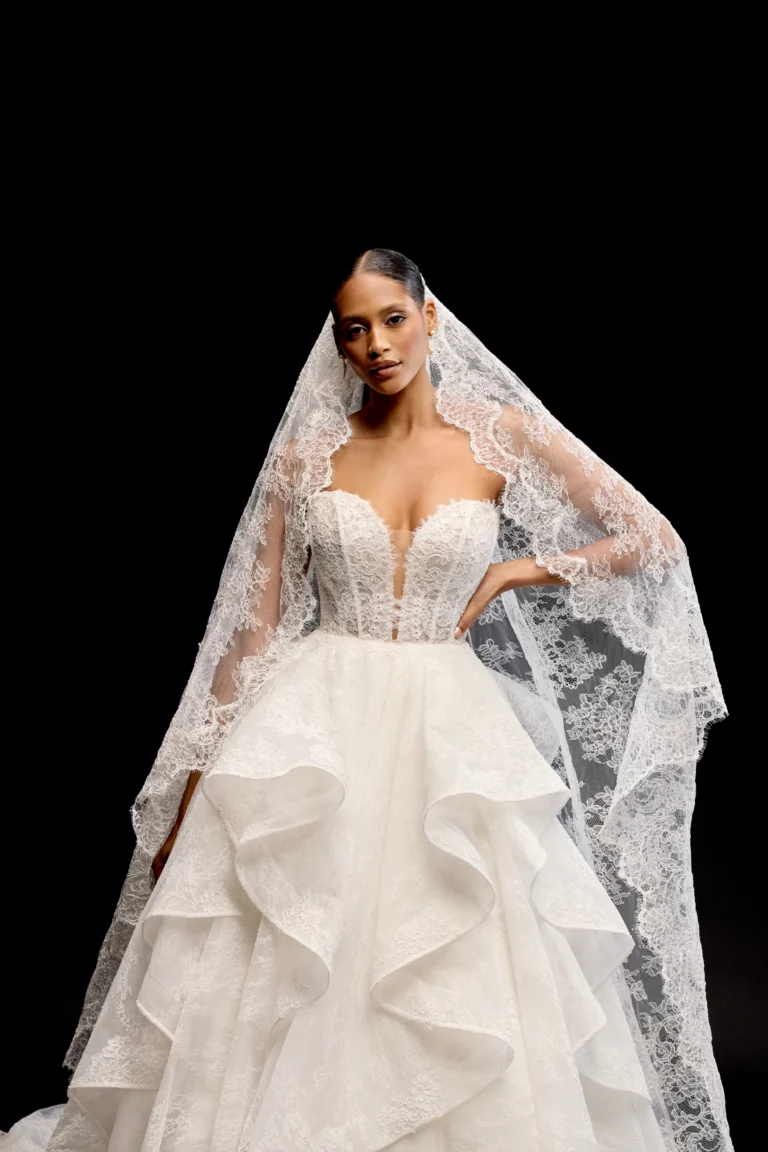
Here’s where the big question comes in: Who buys the bride’s dress?
Traditionally:
The bride’s family bought her gown, shoes, and accessories, while the groom’s family paid for his attire. The groom typically purchased the bride’s engagement and wedding rings, and the bride would buy his ring in return.
Today:
The bride often buys her own gown—sometimes with help from family, sometimes as a solo splurge. In fact, many modern brides see choosing and paying for their dress as a deeply personal, empowering moment.
However, other brides may see a family member purchasing their dress for them as an extremely touching and intimate gesture (because, as we all know, it’s not quite a wedding without the dress). Regardless of who’s paying, it’s tradition for the bride to bring loved ones to help pick out the dress, which is one reason why family members might consider contributing.
As for rings, that tradition hasn’t changed. Couples now often purchase them together as part of their shared wedding budget.
Whether your dress is a gift or you’ve been saving for the gown of your dreams, don’t be shy about asking your bridal shop if they offer discounts for paying in full, buying accessories together, or purchasing during a trunk show.
Flowers and Decorations
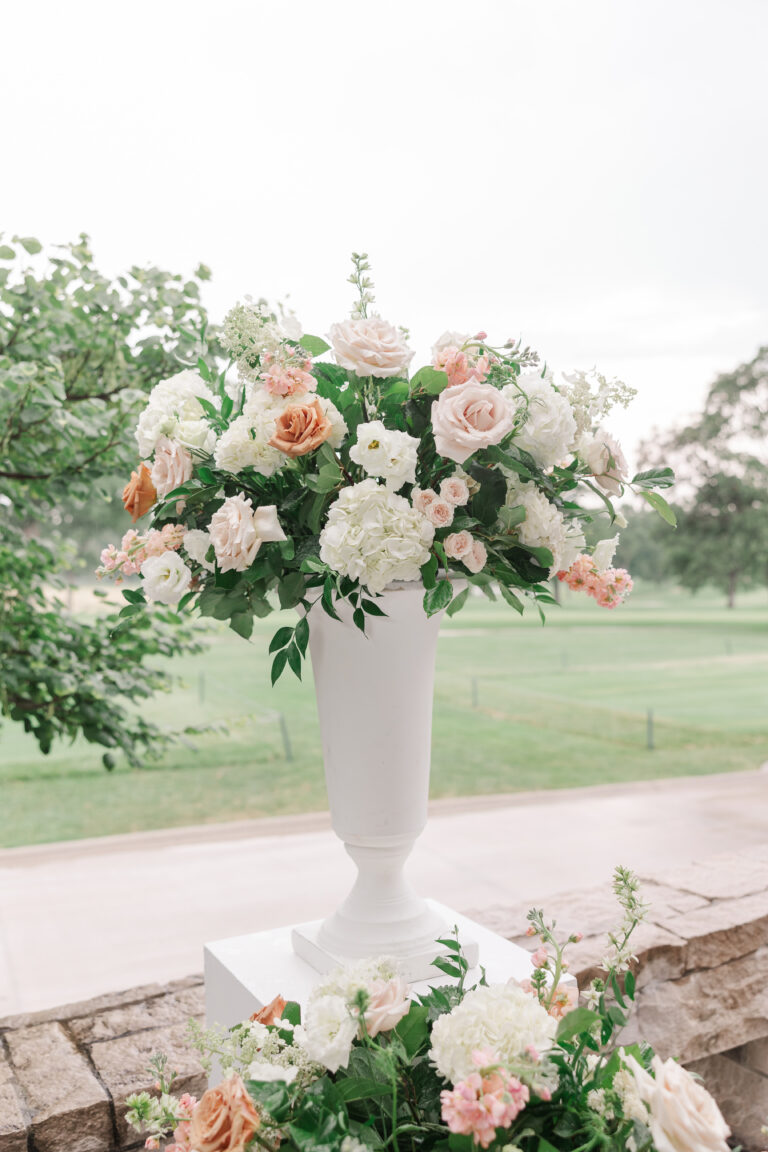
Florals (especially fresh ones), greenery, centerpieces, and ceremony decor can add up quickly.
Traditionally:
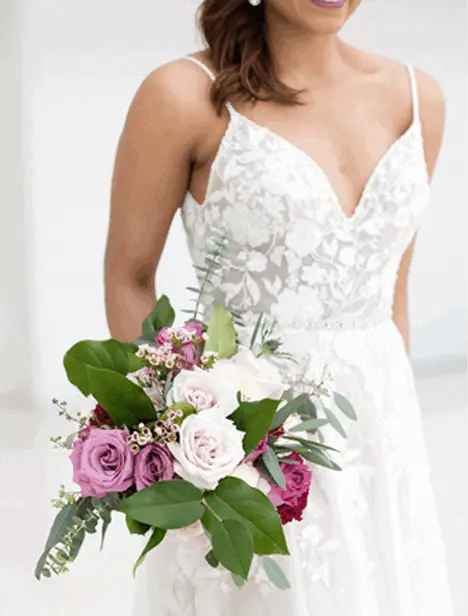
The bride’s family paid for all floral arrangements for the ceremony and reception, while the groom covered the bride’s bouquet, corsages for the mothers and grandmothers, and boutonnieres for the groomsmen.
Today:
This is often a shared expense, especially if flowers are part of the overall decor budget. Some couples choose to simplify things by reusing ceremony arrangements at the reception or by incorporating DIY elements to save money.

Photography
Capturing your big day is non-negotiable, but professional wedding photography can be a significant cost, especially if you’d like multiple photographers or a videographer.
Traditionally:
The bride’s family covered photography (and sometimes videography) as part of their reception budget.
Today:
This can go a few ways. Sometimes the couple covers it entirely, especially if they want to choose a specific photographer whose style they love. Other times, it’s gifted by one set of parents.
Prewedding Parties
Prewedding celebrations typically include the engagement party, bridal shower, bachelor/bachelorette parties, and the rehearsal dinner.
Traditionally:
- Engagement Party: Either the bride or groom’s family (sometimes both!)
- Bridal Shower: Since this party is hosted and planned by your bridesmaids and other female friends or family, they typically cover these costs.
- Bachelor and bachelorette Parties: The wedding party will either split costs or have each person pay for themself.
- Rehearsal Dinner: Groom’s family
Today:
Costs for pre-wedding events are often shared and hosted by whoever volunteers, though bride or groom-specific events are still usually planned by their family or side of the wedding party (like the groomsmen planning the bachelor party, or your girls hosting your bridal shower).
Many couples now opt for more casual events, like a backyard BBQ or a bridal brunch, so that no single host feels overworked or stressed about finances.
Stationary
Save-the-dates, invitations, programs, menus, and thank-you cards all fall under stationery.
Traditionally:
The bride’s family would buy and send all the stationery, including postage and stamps.
Today:
Couples often handle this expense themselves, especially if they’re going for a custom design or splurging on upgraded paper and printing. Digital RSVPs have really risen in popularity in recent years, and they can help cut down on printing costs.
Hair and Makeup
With all the eyes and cameras on you, there’s no doubt you want to look your best on your wedding day; because of this, professional hair and makeup is a huge part of the bridal experience.
Traditionally:
The bride’s family paid for her hair and makeup, while bridesmaids would pay for their own (unless the bride requested a specific look and offered to cover it).
Today:
This category is somewhat of a toss-up. Sometimes the couple covers hair and makeup for the bridal party as a gift or a thank-you. Other times, each person pays for their own. Brides typically book their own hair and makeup nowadays, and often will treat themselves to a trial session before the big day.
Gifts
Wedding gifts are a very old and sweet tradition that can go in any direction.
Traditionally:
The couple purchased gifts for each other, their own parents, and their branch of the wedding party. Parents would also typically give gifts to the couple to help them when starting their new life together (that’s where wedding registries come from).
Today:
The ideas and traditions in this category have stood the test of time, but now things are much more personalized. Many couples opt for meaningful gifts for their wedding party and family that reflect shared experiences or special memories they share. While some parents do decide to give gifts to the couple, for some families, helping pay for the wedding IS the gift.
The bottom line is that there’s no single right answer to “who pays for the wedding” or “who buys the bride’s dress.” What works for one family may not work for others. For some, parents may see it as a beautiful privilege to help cover their child’s wedding. For others, the couples might find a lot of pride in paying for their dream wedding.
The beauty of modern weddings is that they can be as traditional or unconventional as you want. What matters the most is creating a celebration that reflects your love story, fits your budget, and keeps relationships happy along the way.
So, whether your dream gown is a heartfelt gift from your parents, a treat from your future spouse, or something you proudly purchase yourself, Savvy Bridal is here to help you find the one—for your body, your style, and your budget.