
The History of Wedding Veils
Curious about the history of wedding veils? This iconic bridal accessory has a story that stretches back thousands of years.
Wedding veils have an interesting history full of tradition and symbolism. From ancient Roman rituals to Queen Victoria’s fashion-forward influence, the history of bridal veils is filled with fascinating symbolism, cultural shifts, and evolving trends.
Whether you’re planning to wear a veil or just want to learn more, this guide explores how the wedding veil became one of the most enduring traditions in bridal fashion.
Why Do Brides Wear Wedding Veils?
There are all kinds of wedding accessories, but none as iconic as the wedding veil. Most people know that a veil is a big part of wedding tradition, but where did that tradition come from?
Originally worn to protect brides from evil spirits or to hide their faces in arranged marriages, veils were also seen as symbols of modesty and purity in many cultures.
Today, most brides wear veils for personal or stylistic reasons rather than just tradition. Whether for symbolism or just because it completes your look, the meaning behind a wedding veil is entirely up to you.

The History of Wedding Veils
Wedding veils have evolved quite a bit since they were created. Brides first wore veils in Ancient Rome, but they weren’t the flowing, white veils we’re used to today.
Wedding veils in Ancient Rome were called “flammeum” or flame-colored, and were typically made in shades of yellow, orange, and even red. They were meant not only to obscure the bride’s identity from any evil spirits who would wish her harm, but to make it look like the bride was engulfed in flames to scare the spirits off.
These veils were also heavy and hard to see through, so thus began the familiar tradition of the bride’s father walking her down the aisle.
As time went on and veils began to spread outside of Rome, they became symbols of the bride’s chastity and purity, especially in religious circles. In medieval Europe, veils showed not only the bride’s modesty but also her social status.
In arranged marriages, sometimes they would even use a veil to conceal the bride’s face until the whole thing was legally binding.
Wedding veils did drop off in popularity during the 18th century, as many brides saw them as old-fashioned. Instead, brides wore tiaras, caps, bonnets, and other accessories like flowers. But when Queen Victoria, the original “it girl”, got married in 1840, she changed bridal fashion forever.
Color
When Queen Victoria married her longtime sweetheart, Prince Albert, she shocked not only Great Britain but all of Europe. The young queen chose to wear not only a white wedding dress, but also a long, white wedding veil.
Up until this point, wearing a white wedding gown and veil was unheard of. Pure white clothing was expensive and very different to wash without staining or damaging the delicate materials. This meant that white dresses and veils were one-time-use items, which people of the time saw as a huge waste of money and resources. Brides typically wore their nicest clothes for their wedding, and if they bought something new, they’d be expected to reuse their dress or veil.
Inspired by the queen, brides across the world began wearing white wedding dresses and veils. They became a symbol of status, style, and wealth, and it cemented the white wedding veil as a wedding tradition for centuries afterward.
Religion
Wedding veils are used in cultures worldwide, and some religions even have special traditions revolving around the veil.
In Judaism, there is a tradition called the Bedeken ceremony, where the groom looks at the bride and then covers her with a veil. This tradition comes from the story of Jacob in the book of Genesis, where a groom is tricked into marrying the wrong woman because she disguised herself under the veil.
This tradition not only ensures the groom is marrying the right person, but by covering up the bride’s physical appearance, it also symbolizes the groom’s love for his wife’s inner beauty.
The custom of Muslim women wearing veils for wedding and non-wedding purposes dates back to the 7th century. They’re often worn for modesty, and there’s a large variety of coverage levels. For weddings, the color largely depends on the area’s culture and the bride’s style, though white is still very popular.
Some Catholic churches also require the bride’s shoulders to be covered during mass, and longer veils are a great way to do so without compromising on your wedding gown’s neckline. Many brides within the Christian faith also see wedding veils as a sign of purity and humility.
Despite the rich history of religious tradition surrounding wedding veils, many modern brides find them to be a meaningful bridal accessory, with or without religious value.
Modern Meaning of Wedding Veils
If the historical or religious meaning behind a wedding veil doesn’t connect with you, don’t worry! While some brides wear veils for religious or cultural reasons, many modern brides choose one because they simply like the look.
Today, there are really no rules for what a wedding veil should look like. A bride’s choice of whether or not to wear a veil relies completely on her personal style.
Will a veil help complete your wedding look and make you feel like the beautiful bride you are? Wonderful! Are you worried a veil will get in the way and distract you from your day? Maybe a wedding veil’s not the right accessory for you (don’t worry, there’s plenty of wedding veil alternatives).
Some brides wear a wedding veil for the symbolism. For others, it’s purely a fashion statement. Both ends of the spectrum, and everything in between, is more than okay. It’s all about what will make you feel the most beautiful on your big day.

How to Choose the Right Wedding Veil
So, you’ve decided to wear a wedding veil. Now, it’s time to find the right veil for you.
Choosing the right veil is about finding a piece that will complement your dress, your features, and bring out your personal style. Just like with wedding gowns, the options for wedding veils are endless.
Don’t get overwhelmed just yet. Here are a few things to keep in mind when picking out the perfect veil:
Your Dress Style
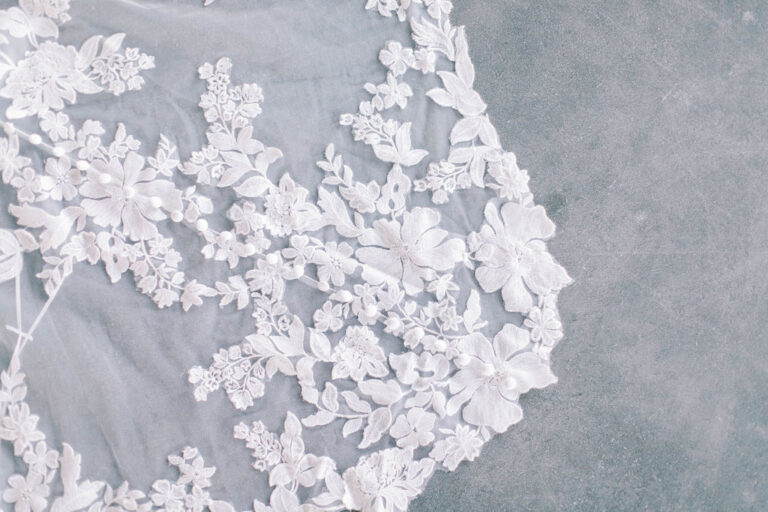
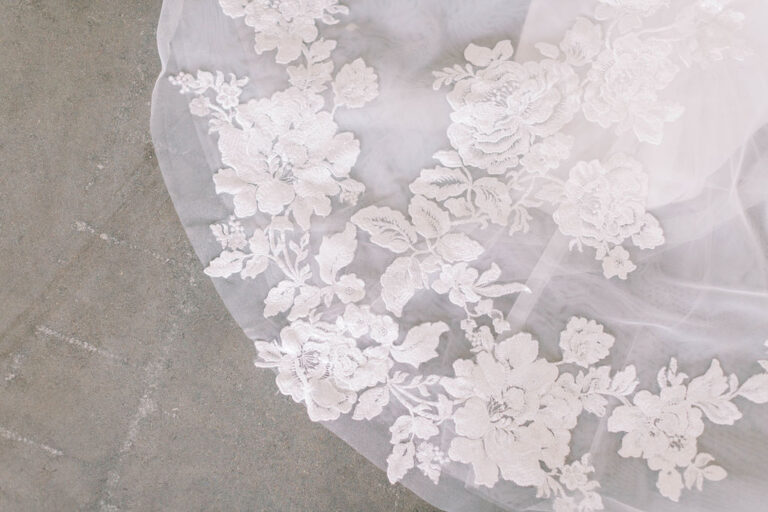
Your wedding veil should complement your gown, not compete with it. Many brides find that choosing a veil with matching or similar elements as their dress, like material or trim, makes their look feel more cohesive.
On the other hand, if your dress has a lot of intricate detailing, you may want a simpler veil that lets the gown take center stage. Or, if your gown is more minimal, a dramatic veil might spice things up.
Either way, consider the shape and silhouette of your gown and its design elements. Whether it’s lace, beading, or a long train, everything contributes to the overall look.
Your Hairstyle
Veils have to stay on somehow, and this is typically done with attached combs or pins. Think about how your hairstyle would affect the veil, like where it’s placed and how it drapes.
For example, updos can support longer, heavier veils that may slip through loose hair. Or if you’re wearing a hair accessory like a comb or a tiara, make sure the veil placement doesn’t overshadow it.
When in doubt, you can always schedule a trial run with your stylist to ensure the veil fits comfortably and securely.
Your Venue
A floor-length or veil with a train might be perfect for a formal or elegant venue, but maybe not for an outdoor ceremony, where the veil could get dirty, stained, or snag on the terrain. On the other hand, an ultra-short style like a blusher or birdcage veil might not be formal enough.
Consider how practical the veil would be for your venue and the formality of your ceremony. Whether you’re going for glam or keeping things casual, it’s important for your wedding veil to match the vibes.
Try It On With Your Dress
Finally, always try your veil on with your dress before making the final call. Seeing the full look all together, especially if you can picture your hairstyle or shoes, will help you visualize what you’ll look like on the day of the wedding.
When trying on dresses at Savvy, we offer accessory appointments, where you can bring your dress in (no matter where you bought it from) and try it on while shopping from our veils and other accessories. That way, when styling your wedding look, you can get the full picture before committing.
For help with veils and other wedding accessories, book an accessory appointment today with Savvy Bridal in Kansas City, St. Louis, or Fort Lauderdale.